How Do I Write a Perfect Card for My Dad With His Hamper? Tips & Templates
There are moments in life—milestones, holidays, or simply a random Tuesday afternoon—when we feel an overwhelming urge to express profound gratitude. When that gratitude is packaged beautifully, perhaps alongside a luxurious hamper filled with his favorite artisanal cheeses and gourmet coffee, the pressure intensifies. You have the perfect gift, but the accompanying card? That feels like a hurdle taller than the wicker basket itself. How do I write a perfect card for my dad with his hamper without sounding cliché or overly sentimental? It’s a question many of us face, because while physical gifts are wonderful, they often only scratch the surface of what we truly mean to say.
The truth is, the card isn't just filler; it's the emotional anchor that grounds the entire gift experience. Your dad won't remember the specific brand of olives, but he will remember the feeling you conveyed when opening your words. This guide is designed to help you move past generic platitudes and craft a message that feels genuinely personal, warm, and utterly unforgettable.
Connecting the Gift to Shared Memories
The most common mistake people make is writing Luxury Confectionery a card that only talks about the gift itself ("I hope you enjoy this!") rather than talking through the meaning of the gift in relation to your relationship. A great message acts like a bridge, spanning from an object on the table (the hamper) back across time to a shared memory or quality.
Instead of simply listing items, try linking them conceptually. For example, if the hamper Visit this site contains coffee beans and artisanal pastries, you could write: “I bought these gourmet treats because they remind me of that morning we used to spend at the diner when I was little, debating which breakfast pastry was superior.” Do you see how the objects become props for a memory? This approach instantly elevates your message from mere gifting to storytelling.
Consider this anecdote: My uncle once received a hamper filled with local honey and jams. Instead of writing sweet generic lines, he wrote about a specific summer picnic where his dad had insisted on making jam from their own backyard harvest. By linking the taste of the gift to a sensory memory, the card became priceless.
Structuring Your Heartfelt Message for Maximum Impact
Writing can feel like an amorphous blob of emotion until you break it down into components. A perfect message doesn't flow randomly; it has a subtle narrative arc that guides your dad through your thoughts—from appreciation, to reflection, and finally, to love.
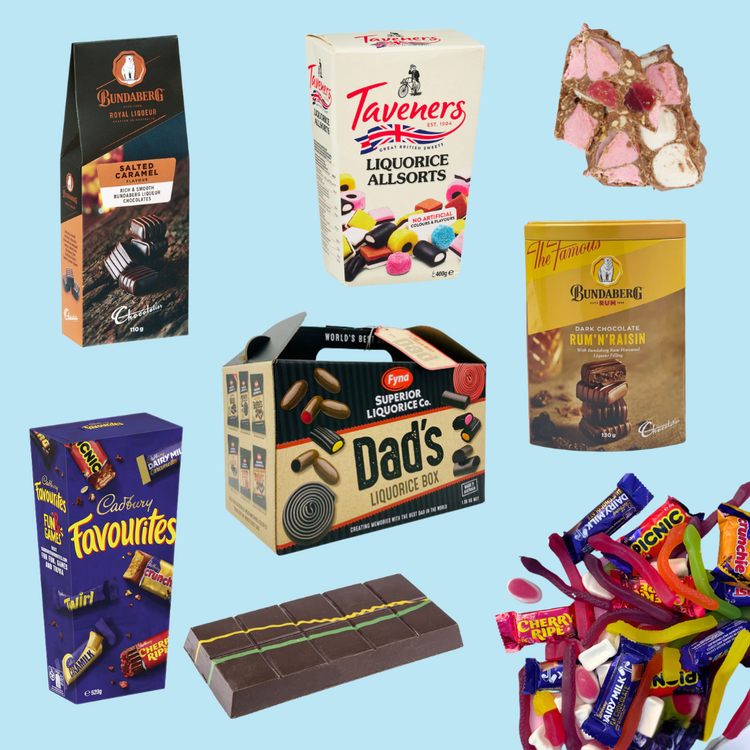
When trying to figure out how do I write a perfect card for my dad with his hamper?, remember this three-part structure:
- The Hook (Opening): Start by acknowledging the gift or the occasion, but immediately pivot to something deeper. Instead of "Happy Father's Day," try, "Whenever I saw these amazing coffees, it made me think about your dedication..."
- The Core (Body): This is where you do the heavy lifting—the specific memories, compliments on his character, or acknowledging the ways he has improved your life. Use vivid details. Instead of saying, "You are supportive," try: "I still remember when I was struggling with that job application last year; your ability to listen without judgment felt like a warm blanket."
- The Closer (Closing): Reiterate your love and appreciation simply and powerfully. This is where the emotional gravity settles.
Moving Beyond Generic Compliments and Platitudes
We tend to fall into safe, predictable language: "Best Dad ever," or "Hope you have a great day." While these are true, they lack teeth. To make your card sing, you must be specific and personal. Specificity is the antidote to sentimentality overload.

Instead of writing broad statements, focus on his unique qualities. Does he possess a quiet wisdom? Is he an unmatched storyteller? Does he have a knack for fixing things that others deem impossible? A great compliment addresses the how or the why.
If you're struggling with finding words, try this exercise: list five times in the last year when your dad made you laugh until your stomach hurt. Now, weave one of those moments into the card. That shared laughter is gold—it’s a tangible reminder that he was present for it. As the poet Maya Angelou wisely noted, "I've learned that people will forget what you said, people will forget what you did, but people will never forget how you made them feel." Your message must make him feel seen.
Tailoring the Tone to His Unique Personality
The single most critical element is matching your tone to his personality. A "perfect" card for a reserved father will sound wildly out of place if it's written in overly flowery, dramatic language. The approach needs to be as authentic as a well-worn pair of jeans.
- If he’s the comedian: Lead with light humor. Tease him gently about something specific ("I know you'll use that expensive cheese board just once, because we both know how you handle leftovers!"). Use an inside joke.
- If he’s the intellectual/mentor: Focus on appreciation for his wisdom and perspective. Acknowledge the lessons he taught you—the things that feel like a compass pointing in the right direction.
- If he’s the practical, hardworking type: Keep it straightforward but deeply sincere. Focus on acknowledging his effort, sacrifice, or reliability.
Do you find yourself overthinking this process? Don't let perfectionism paralyze your pen. The most wonderful cards are often the imperfect ones—the messy drafts that come straight from the heart. This realization helps answer the question: how do I write a perfect card for my dad with his hamper? Sometimes, the only trick is to stop trying to be perfect and just start being real.
Crafting Lasting Connections Long After the Hamper is Empty
The magic of this occasion isn't in the exchange itself; it's in the enduring feeling that lingers after the wrapping paper has been discarded and the fancy snacks have been devoured. The card serves as a physical artifact of an emotional moment, something he can reread when life gets noisy or difficult.
To ensure your message continues to resonate down the road, think about evergreen themes: growth, gratitude for his presence, or anticipating future shared adventures. Don't just look back; look forward. Mentioning a future trip, a book you want to read together, or even just scheduling a "Dad Day" makes the card an active promise, not just a reflection.
Ultimately, writing this message is less about finding the right words and more about remembering how deeply he has shaped your life. Your heartfelt effort will speak volumes, no matter what fancy stationery you use. Take a moment today to sit with those memories, choose one specific story, and let that single narrative be the centerpiece of your appreciation. This small act of thoughtful writing is a powerful reminder that love doesn't need grand gestures—just deep sincerity.